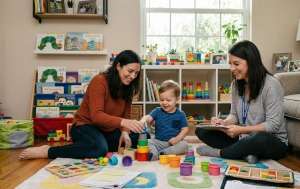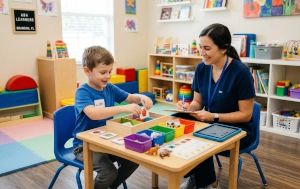

As a parent, you play the most important role in your child's development. While therapy sessions with trained professionals provide structured learning opportunities, the real magic happens when those skills are reinforced consistently at home. Here are ten evidence-based strategies that families working with Nūr Behavioral Health use to support their child's growth every single day.
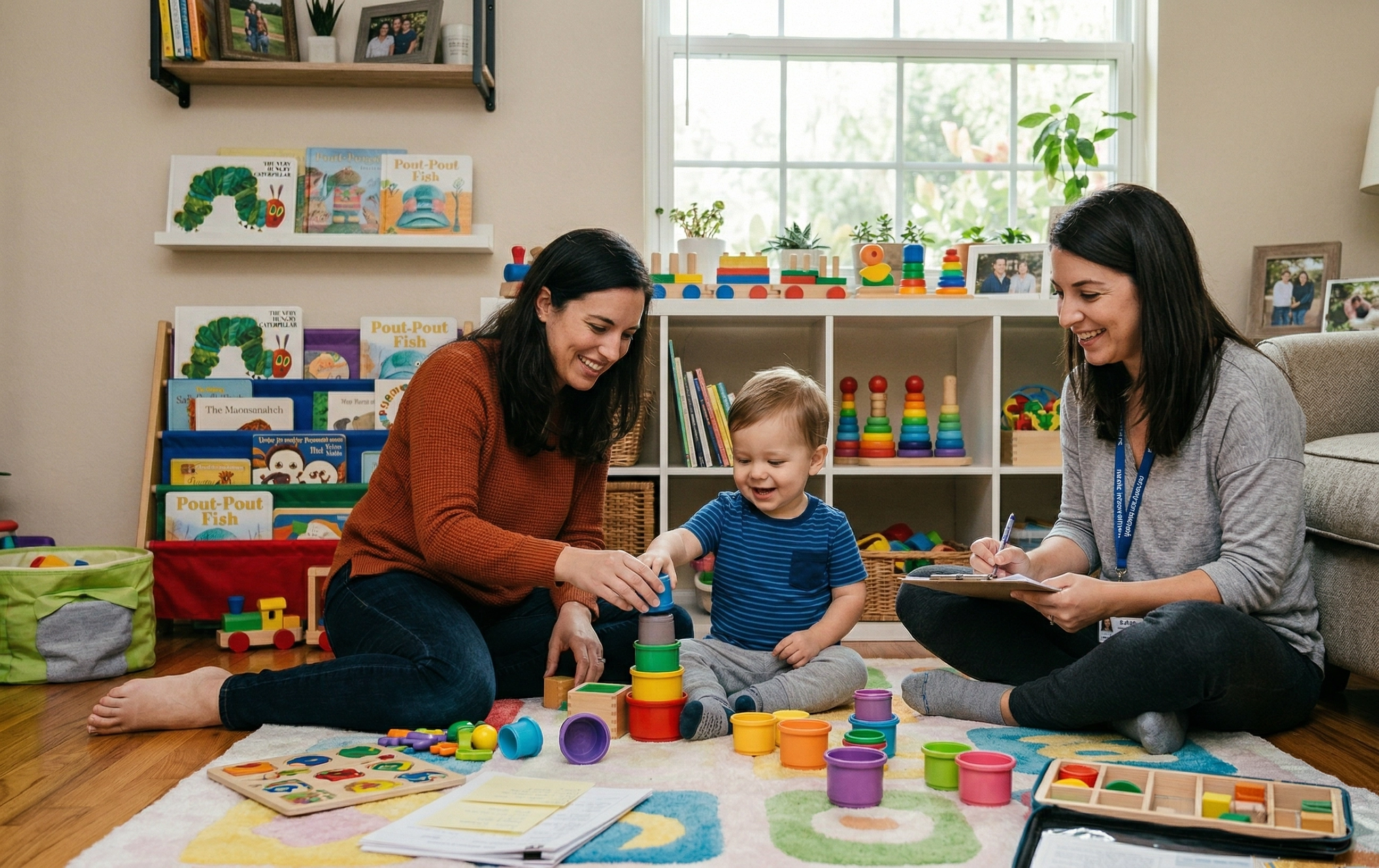
1. Build Consistent Daily Routines
Children thrive on predictability. Establishing consistent morning routines, mealtimes, and bedtime rituals helps your child feel secure and reduces anxiety. Use visual schedules — picture cards or simple checklists — to help your child understand what comes next. When routines are consistent, your child can focus their energy on learning rather than worrying about the unexpected.
2. Celebrate Every Small Win
Progress in behavioral therapy often comes in small, incremental steps. When your child makes eye contact, uses a new word, or completes a task independently for the first time, celebrate it. Specific praise like "Great job putting on your shoes by yourself!" is more effective than general praise. These moments of recognition build confidence and motivation to keep trying.
3. Create Natural Learning Opportunities
Every moment is a chance to learn. Grocery shopping can teach counting and categorization. Cooking together builds sequencing skills. Playing at the park develops social interaction. Talk to your therapist about which skills to target, then look for natural ways to practice them throughout your day.
4. Use Positive Reinforcement
Positive reinforcement is at the heart of ABA therapy, and it works just as well at home. Identify what motivates your child — praise, stickers, extra playtime, a favorite snack — and use those rewards immediately after desired behaviors. The key is consistency and timing: the reinforcement should come right after the behavior you want to encourage.
5. Communicate Openly With Your Therapy Team
Your observations at home are invaluable to your child's treatment team. Share what's working, what's challenging, and any new behaviors you've noticed. At Nūr Behavioral Health, we encourage ongoing communication between parents and therapists because collaboration leads to better outcomes. Don't hesitate to ask questions or request adjustments to the treatment plan.
6. Practice Patience and Self-Compassion
Every child develops at their own pace, and setbacks are a normal part of the journey. On difficult days, remind yourself that progress isn't always linear. Take care of your own mental health — seek support from other parents, take breaks when you need them, and remember that you're doing an incredible job by showing up for your child every day.
7. Reduce Screen Time, Increase Interactive Play
While screens can be a helpful tool in moderation, interactive play with caregivers and peers is where the deepest learning happens. Board games teach turn-taking. Building blocks develop problem-solving. Pretend play builds imagination and social skills. Aim to prioritize face-to-face, hands-on activities whenever possible.
8. Set Up the Environment for Success
Small environmental changes can make a big difference. Organize toys in labeled bins so your child can make choices independently. Create a quiet space for focused activities. Remove distractions during learning times. When the environment supports your child, challenging behaviors often decrease naturally.
9. Connect With Other Families
You're not alone on this journey. Connecting with other families who understand your experience can provide emotional support, practical advice, and a sense of community. Ask your Nūr therapy team about local parent support groups or online communities where you can share experiences and learn from others.
10. Trust the Process
Behavioral therapy is a marathon, not a sprint. Some weeks you'll see dramatic improvements; other weeks may feel stagnant. Trust your therapy team, stay consistent with the strategies you've learned, and keep your eyes on the long-term goals. The progress your child makes through your dedication and partnership with their therapists will compound over time into transformative results.
Ready to Start Your Child's Journey?
At Nūr Behavioral Health, we partner with families to create individualized treatment plans that extend beyond the therapy session. Schedule your free consultation today or call us at (656) 222-0703.